(We are “on call”24 hours a day)



Sustainable Shipping: How Green Practices Are Changing Global Maritime Operations
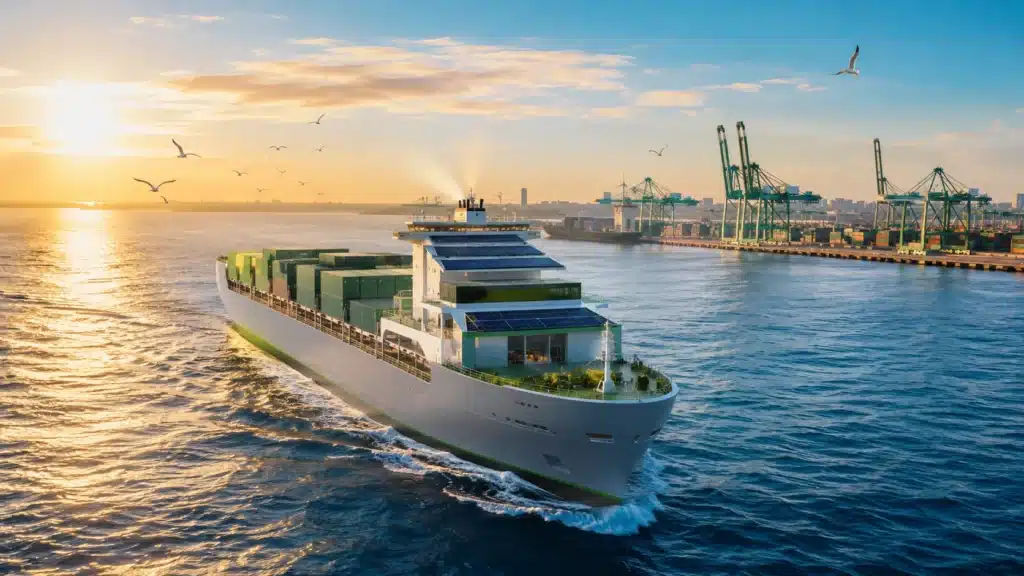
The global maritime industry is undergoing a significant transformation as environmental responsibility becomes a central focus of international shipping. With approximately 90% of world trade transported by sea, the shipping sector plays a crucial role in the global economy while also carrying the responsibility of reducing its environmental impact.
Today, sustainable shipping is no longer just a regulatory requirement—it has become a strategic priority for ship owners, operators, port authorities, and marine service providers. From adopting cleaner fuels to implementing energy-efficient technologies and improving waste management practices, the industry is actively embracing greener operations to create a more sustainable future.
Why Sustainable Shipping Matters
Commercial shipping has traditionally relied on heavy fuel oils that contribute to greenhouse gas emissions, air pollution, and marine environmental challenges. As global climate initiatives gain momentum, governments, international organizations, and shipping companies are working together to reduce emissions while maintaining efficient maritime trade.
Sustainable shipping focuses on balancing operational efficiency with environmental protection by minimizing carbon emissions, reducing waste, conserving marine ecosystems, and improving energy efficiency across every stage of vessel operations.
IMO Regulations Driving Change
The International Maritime Organization (IMO) has introduced several environmental regulations aimed at making global shipping cleaner and more sustainable.
Some of the most significant initiatives include:
- Reducing greenhouse gas emissions from international shipping
- Improving vessel energy efficiency
- Limiting sulfur emissions through cleaner marine fuels
- Implementing the Energy Efficiency Existing Ship Index (EEXI)
- Introducing the Carbon Intensity Indicator (CII)
- Strengthening ballast water management requirements
- Enhancing ship recycling standards
These regulations encourage shipping companies to modernize fleets, optimize operations, and invest in environmentally responsible technologies.
Reducing Carbon Emissions
Carbon reduction remains one of the industry’s highest priorities.
Shipping companies are improving efficiency through various operational strategies, including:
- Voyage optimization using advanced weather routing
- Slow steaming to reduce fuel consumption
- Improved hull design
- Regular hull cleaning to minimize drag
- High-efficiency propeller upgrades
- Engine performance monitoring
- Digital fuel management systems
These measures not only lower emissions but also reduce operating costs over the long term.
Alternative Marine Fuels
Traditional bunker fuels are gradually being supplemented with cleaner alternatives that produce fewer emissions.
Emerging sustainable fuel options include:
- Liquefied Natural Gas (LNG)
- Biofuels
- Green Methanol
- Green Ammonia
- Hydrogen
- Battery-electric systems for short-distance vessels
- Hybrid propulsion technologies
While adoption varies across the industry, these fuels represent an important step toward achieving long-term decarbonization goals.
Shore Power and Port Sustainability
Many modern ports now provide shore power, allowing vessels to connect to the local electrical grid while berthed instead of running onboard auxiliary engines.
The benefits include:
- Reduced fuel consumption
- Lower greenhouse gas emissions
- Improved air quality around ports
- Reduced engine wear
- Less noise pollution
As more ports invest in sustainable infrastructure, shore power is becoming an increasingly valuable component of green maritime operations.
Smarter Waste Management at Sea
Responsible waste management helps protect marine ecosystems and ensures compliance with international environmental standards.
Modern vessels implement comprehensive waste management systems that include:
- Waste segregation
- Recycling programs
- Sewage treatment systems
- Oily water separators
- Controlled disposal of hazardous materials
- Plastic waste reduction initiatives
- Food waste management procedures
Proper waste handling reduces pollution risks while supporting cleaner oceans for future generations.
Energy-Efficient Vessel Operations
Technological innovation continues to improve vessel efficiency across the shipping industry.
Examples include:
- Air lubrication systems
- Advanced hull coatings
- Smart energy management software
- AI-powered route optimization
- Predictive maintenance systems
- Digital performance monitoring
- Automated engine optimization
These technologies help reduce fuel consumption while maintaining reliable maritime operations.
The Role of Marine Service Providers
Marine service providers contribute significantly to sustainable shipping by supporting environmentally responsible vessel operations.
Their services may include:
- Efficient port agency coordination
- Timely ship husbandry services
- Responsible waste disposal arrangements
- Environmentally compliant underwater hull cleaning
- Marine lubricant management
- Spare parts logistics that minimize vessel downtime
- Coordination with certified environmental service providers
Reliable operational support allows vessels to meet both commercial objectives and environmental obligations.
Looking Ahead
The future of maritime transportation will continue to be shaped by sustainability, innovation, and international collaboration. As environmental regulations evolve and green technologies become more accessible, shipping companies that invest in sustainable practices will be better positioned to improve operational efficiency, reduce costs, and strengthen their reputation within the global maritime industry.
Sustainable shipping is no longer simply about regulatory compliance, it represents a long-term commitment to protecting the oceans while ensuring that global trade remains efficient, resilient, and environmentally responsible.
With reliable marine support services from HS Lanka, ship operators can confidently prepare their vessels for safe and successful journeys.
HS Lanka Pvt Ltd delivers the speed, reliability, and technical support needed to keep vessels moving safely and efficiently.
Recent Posts
-
 A Beginner's Guide to Maritime Terminology: Essential Shipping Terms Explained
 -
 The Role of Sri Lanka in International Maritime Trade
 -
How Green Practices Are Changing Global Maritime Operations
-
 Ship Departure Requirements: 5 Things Every Ship Needs Before Leaving Port
 -
 Ship Fresh Water Shortage: What Happens When a Vessel Runs Out of Water at Sea?